Menu Close

Shop

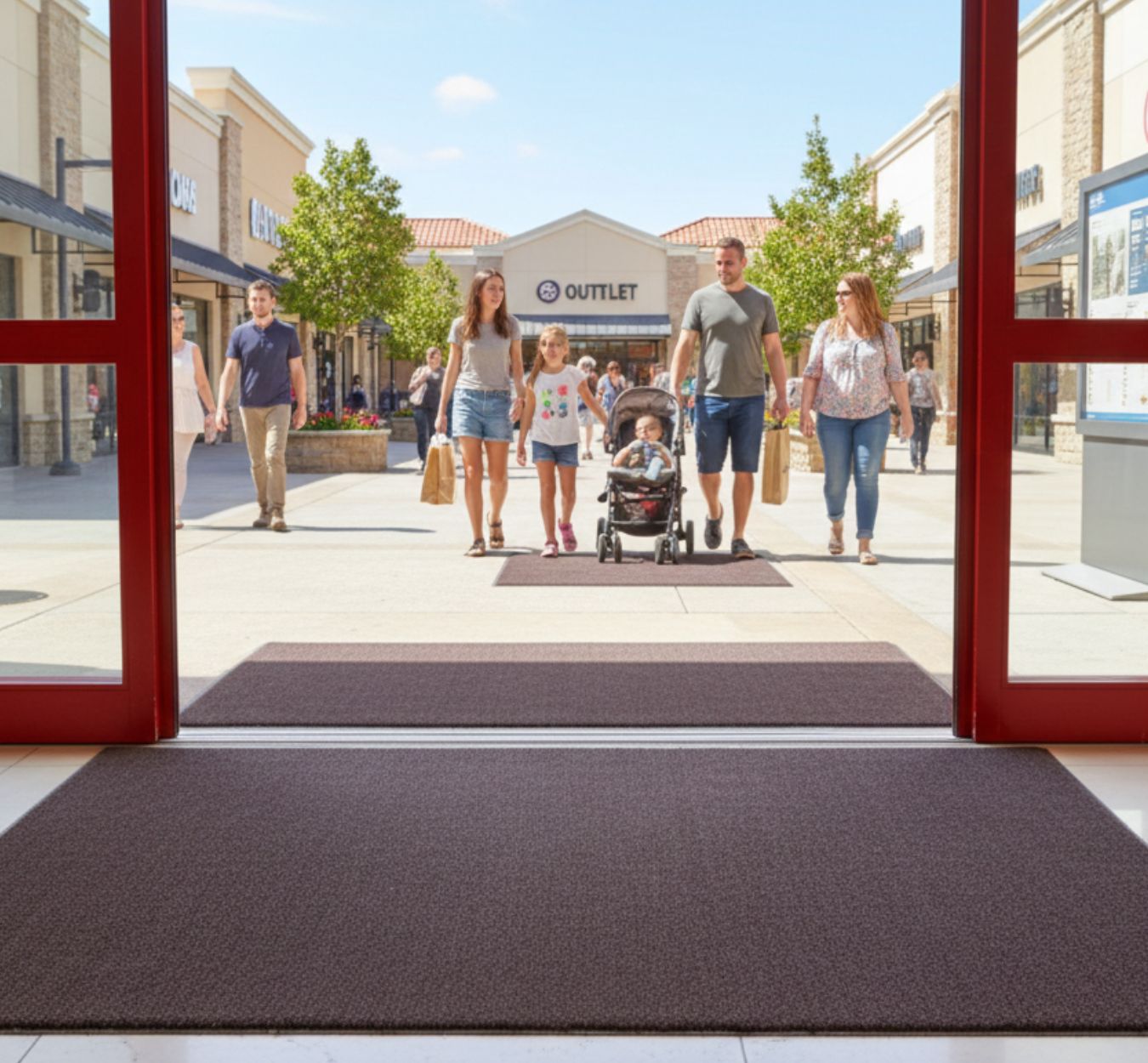
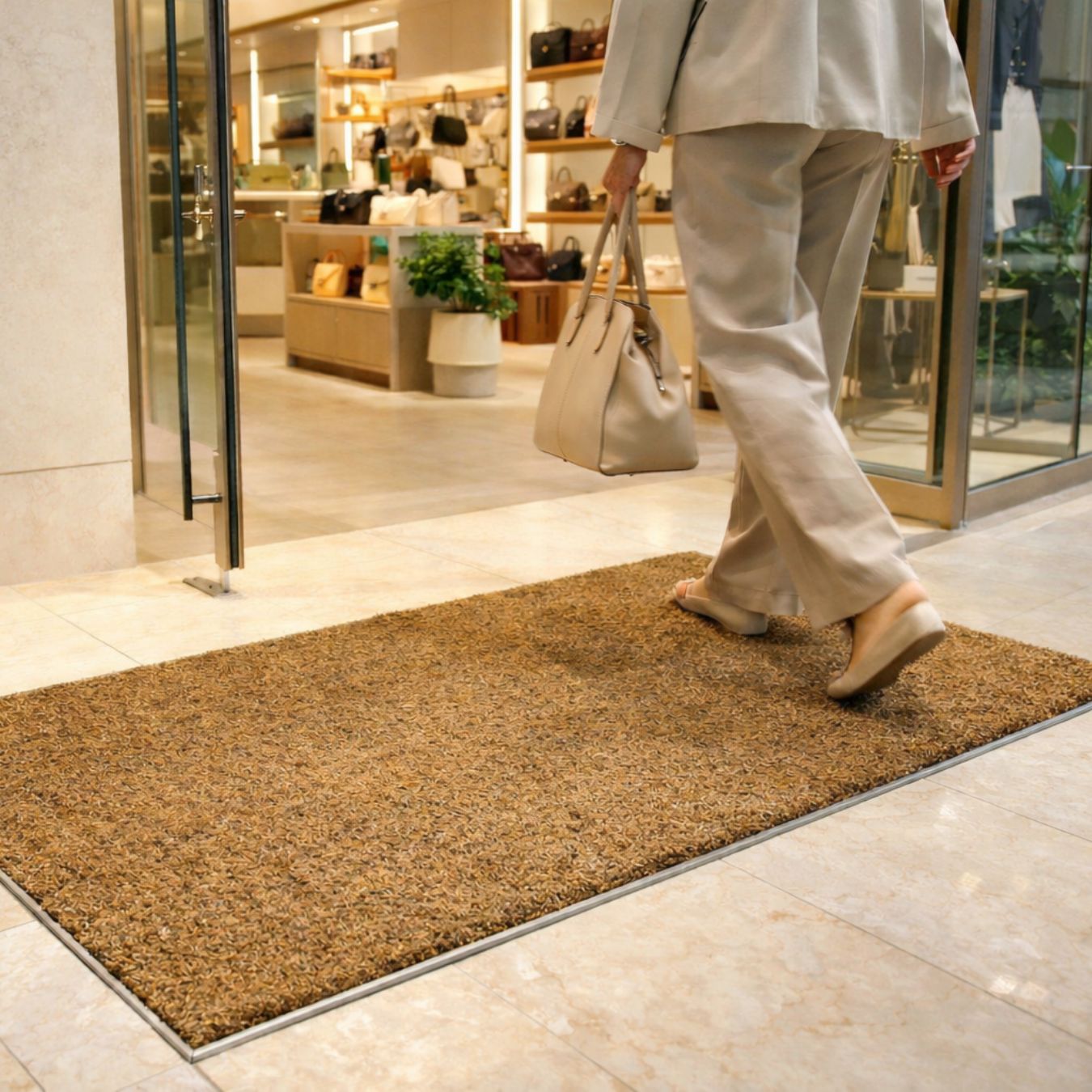
  • recessed coco mats in use
  • shutterstock_1557610094-550x550w
  • shutterstock_1877081080-550x550w
  • Michael-Kors-Denver-CO-550x550w
  • recessed coco mats in use – charcoal
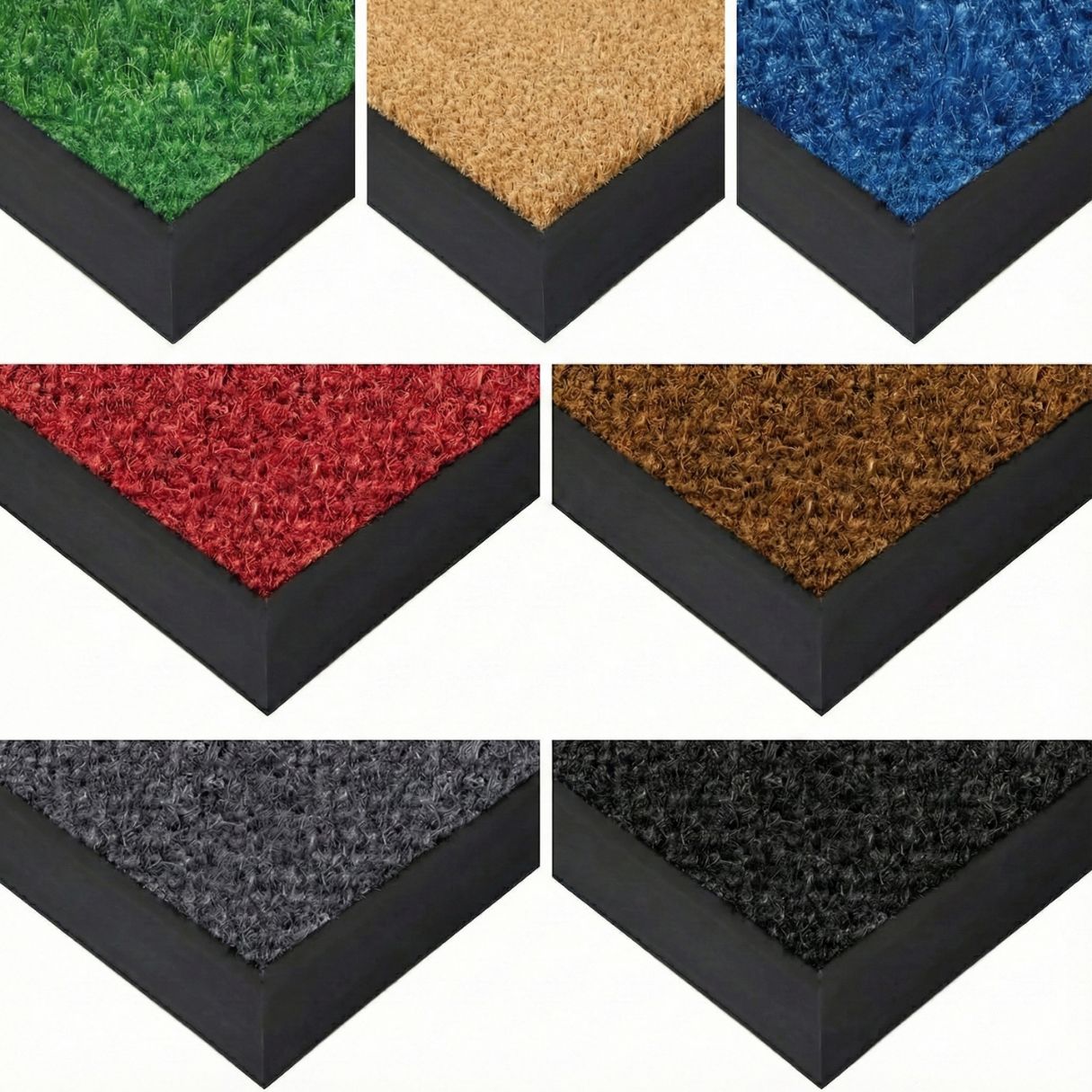
  • coco mat colors with borders
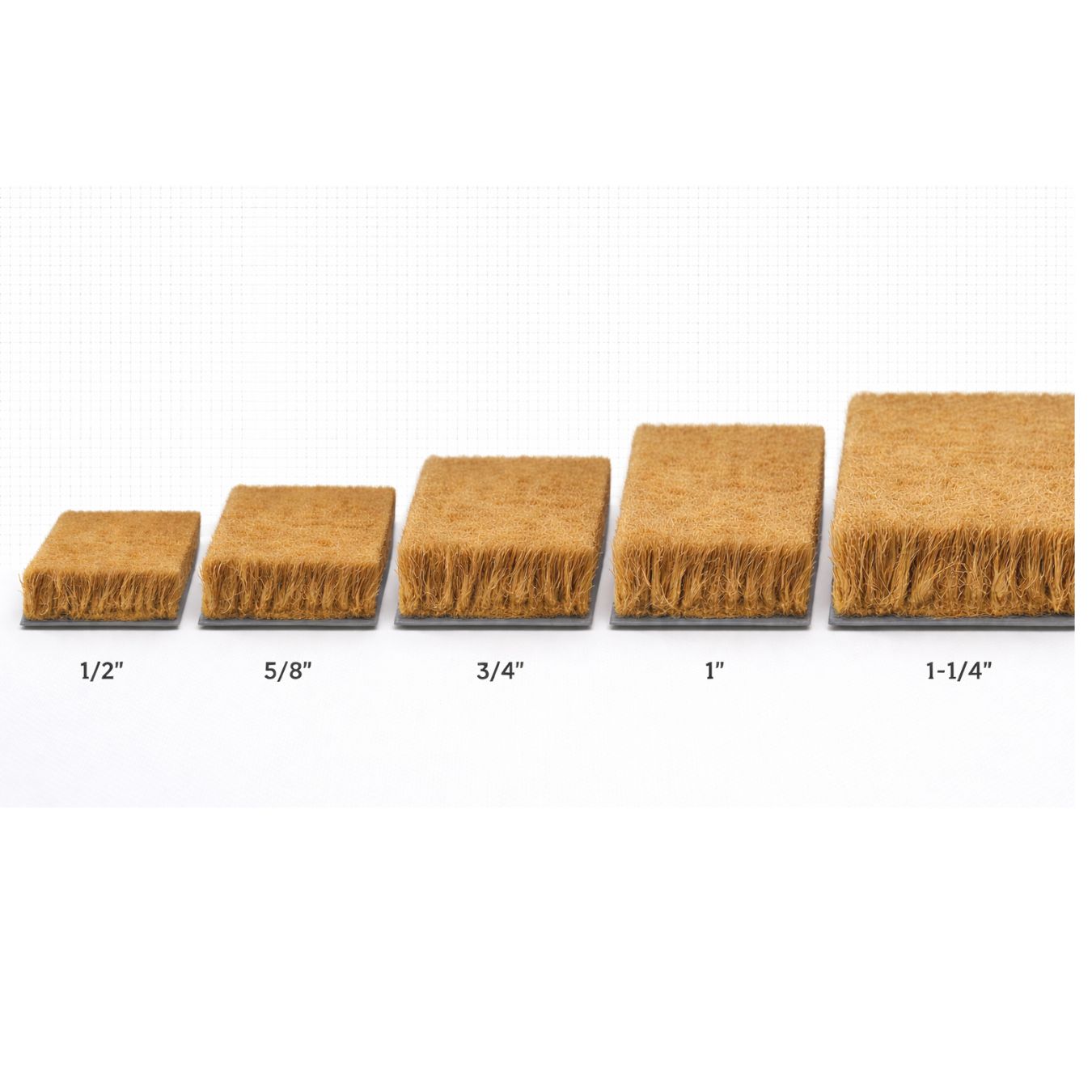
  • Coco mats thicknesses
  • recessed coco mats – charcoal in use

Recessed Coco Mats

$93.00

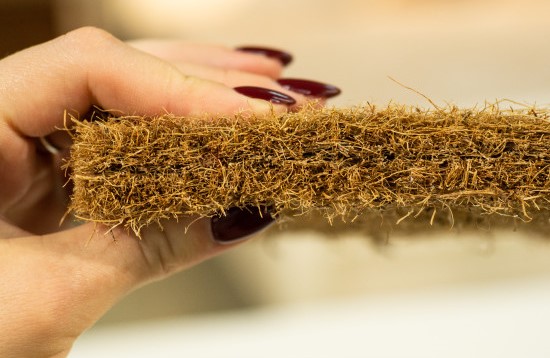
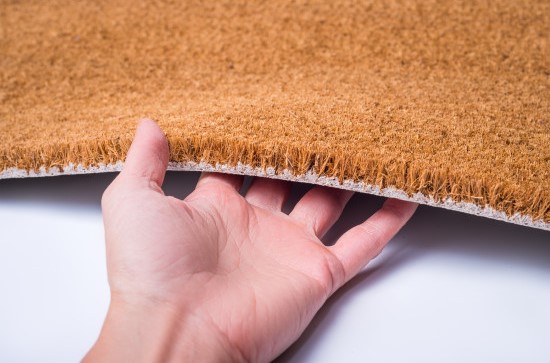
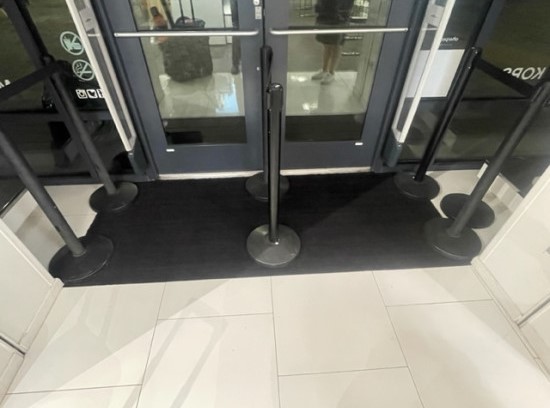
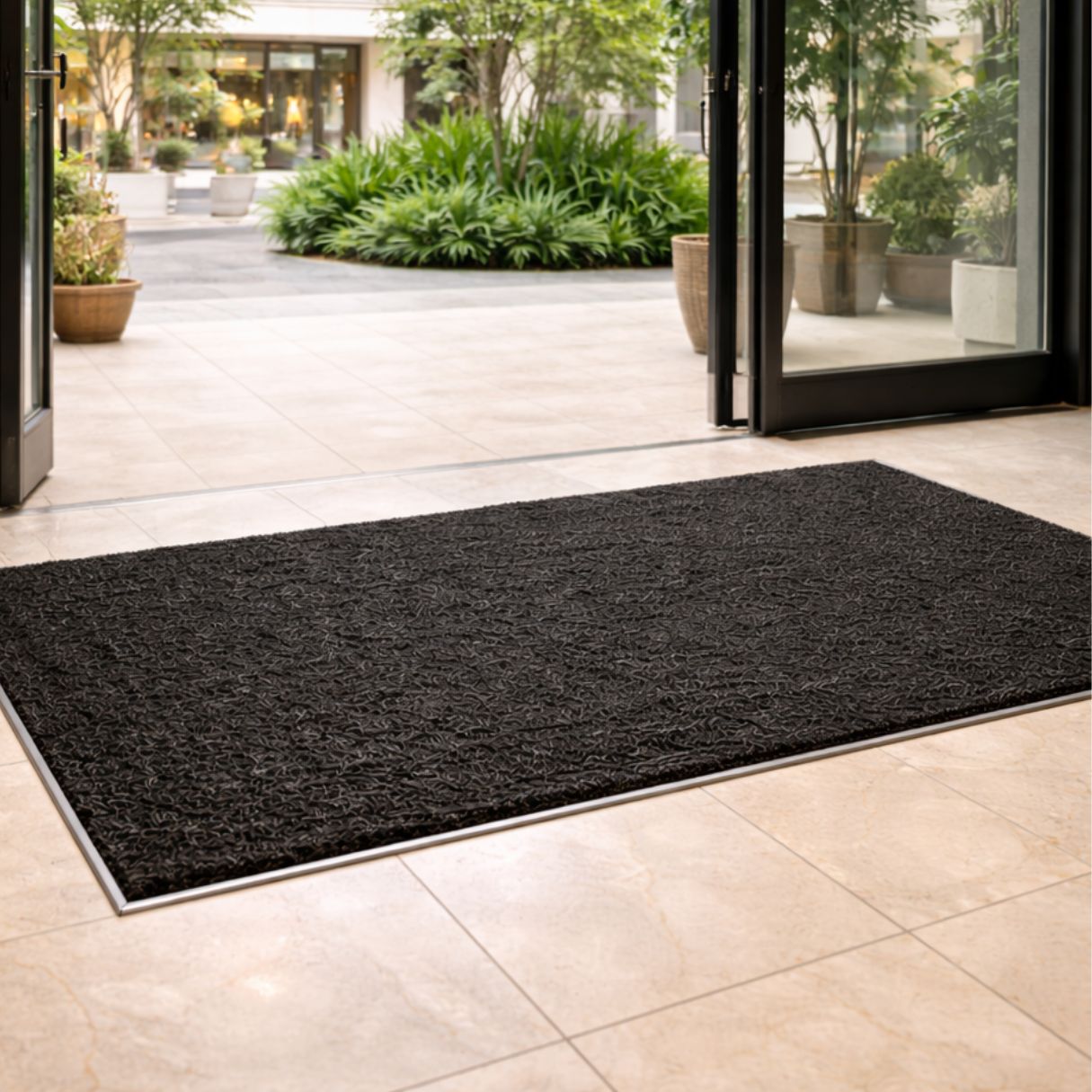
Recessed Coco Mats represent the eco-friendly, sustainable choice for high-traffic entrance applications, featuring natural coconut fiber (coir) embedded in commercial-grade vinyl backing to create bristle-like scraping action that aggressively removes dirt and moisture while providing exceptional water absorption and LEED certification eligibility for environmentally conscious building projects. These premium coco mats are manufactured from coconut husk fibers—a renewable byproduct of the coconut harvesting industry—making them the responsible choice for facilities pursuing sustainability goals while delivering proven performance in hotels, retail, office buildings, restaurants, and upscale residential applications. The deep cut-pile construction traps and holds dirt particles and moisture below the surface even in extreme high-traffic conditions, while solution-dyed colored options resist fading despite continuous sunlight exposure. Designed specifically for recessed well installations, these heavy natural fiber mats lay flush with surrounding flooring creating seamless transitions without trip hazards, and their substantial weight eliminates the need for adhesives allowing easy removal for cleaning and maintenance.

  • 100% natural coconut fiber (coir) provides sustainable, rapidly renewable material
  • Bristle-like fiber surface delivers aggressive scraping action removing dirt and debris
  • Highly absorbent natural fibers capture and hold moisture preventing interior tracking
  • Commercial-grade vinyl backing ensures durability and dimensional stability
  • Deep cut-pile construction traps particles below surface in high-traffic areas
  • Solution-dyed colored fibers resist fading from continuous sunlight exposure
  • Substantial weight eliminates adhesive requirement for recessed installations
  • Available in 5 thickness options: 1/2″, 5/8″, 3/4″, 1″, and 1-1/4″
  • Natural color available in all thicknesses; colored options in 3/4″ only
  • 7 color options: Natural, Charcoal, Brown, Gray, Red, Blue, Green
  • LEED credit eligible (IEQ Credit 5 and MR Credit 6 – rapidly renewable materials)
  • Standard sizes from 2’x3′ to 6’x20′ plus custom dimensions available
  • Passes ASTM D2859 flammability and ASTM E662 smoke density standards
  • Semi-permanent installation ideal for building entrances and vestibules
  • Made from byproduct of coconut harvesting supporting sustainable agriculture
Made in USA

Request Free Proof
Request a Quote
Category:

Description

Recessed Coco Mats deliver unmatched sustainability and performance for high-traffic entrance applications, combining 100% natural coconut fiber construction with commercial-grade engineering to create the eco-friendly entrance solution demanded by LEED-certified buildings, environmentally conscious facilities, and organizations committed to reducing environmental impact. These premium coco fiber mats transform the byproduct of coconut harvesting, natural coir fiber from coconut husks, into highly effective entrance matting that aggressively scrapes shoes clean, absorbs exceptional moisture, and contributes to green building certification while providing the rich, natural aesthetic that elevates building entrances from utilitarian to upscale. The bristle-like texture of natural coir creates unparalleled scraping action removing dirt, debris, salt, and grit before it reaches interior flooring, while the highly absorbent natural fibers capture and hold moisture preventing wet tracking that damages floors and creates slip hazards.

Designed specifically for recessed well installations where mats sit flush with surrounding flooring, these coco mats install without adhesives thanks to their substantial weight and vinyl backing that grips the recess floor. The deep cut-pile construction captures and holds dirt and water below the walking surface, even in extreme high-traffic environments like hotel lobbies, retail mall entrances, office building vestibules, and upscale apartment buildings, keeping entrances cleaner longer and reducing maintenance labor. Solution-dyed colored options provide fade resistance despite continuous sunlight exposure in windowed entrances, while the natural color option offers the organic aesthetic preferred in hospitality, residential, and spa applications. With five thickness options ranging from 1/2″ to 1-1/4″ and the ability to custom-cut mats to any recess dimension, these coco mats accommodate virtually any recessed entrance system.

Ideal Application 

  • Hospitality Applications
  • Commercial Office
  • Retail
  • Residential
  • Institutional


Additional information

Color

Natural, Charcoal, Brown, Gray, Blue, Green, Red

Thickness

1/2" – Thick, 5/8" -Thick, 3/4" – Thick, 1" – Thick, 1-1/4" – Thick

Features & Benefits

Feature Benefit
100% natural coconut fiber (coir) construction Provides sustainable, rapidly renewable, biodegradable material supporting environmental responsibility; eligible for LEED MR Credit 6 (rapidly renewable materials); reduces facility environmental impact; demonstrates organizational commitment to sustainability; supports smallholder farmers in developing nations; natural aesthetic elevates entrance appearance beyond industrial synthetic mats
Bristle-like fiber textureCreates aggressive multi-directional scraping action removing dirt, debris, salt, snow, and grit from shoe soles before interior entry; stiff natural fibers maintain scraping effectiveness despite continuous foot traffic; multi-angle fiber orientation captures particles regardless of traffic patterns; superior to soft synthetic fibers that mat down losing effectiveness; prevents interior floor damage from tracked-in abrasives
Highly absorbent natural coir fiber Captures exceptional moisture from wet shoes preventing interior floor water damage, slip hazards, and cleaning costs; approximately 90% moisture retention when saturated—absorbed water stays in mat; one of most absorbent natural fibers available; critical for wet climate entrances and winter snow/rain conditions; reduces interior mopping and maintenance labor; protects finished flooring from water staining and deterioration
Commercial-grade vinyl (PVC) backingEnsures dimensional stability preventing mat stretching, shrinking, or warping in recessed installations; prevents fiber shedding from bottom maintaining mat integrity; provides weight and grip eliminating adhesive requirement; durable construction withstands years of heavy commercial traffic; simplifies mat removal for cleaning without adhesive residue; professional appearance suitable for upscale applications
Solution-dyed colored fiber optionsProvides fade resistance despite continuous sunlight exposure in windowed entrances and vestibules; color penetrates entire fiber rather than surface coating; maintains appearance as fibers wear; allows color-coordinated entrance systems matching architectural finishes and corporate branding; expands design possibilities beyond natural tan/brown coir color
Substantial mat weight (148-220 oz/sq yard)Eliminates adhesive installation requirement—mats stay in place through weight and backing grip; simplifies installation reducing labor and material costs; allows easy mat removal for cleaning, rotation, or replacement; no adhesive residue buildup in recess; professional semi-permanent installation without adhesive complications; weight increases with thickness providing enhanced stability
Multiple thickness options (5 choices)Accommodates varying recess depths from 1/2" shallow to 1-1/4" deep wells; allows performance optimization for traffic levels—thicker for heavy traffic, thinner for moderate; provides budget flexibility—thinner options cost less; ensures perfect flush-floor fit preventing trip hazards; thicker options deliver maximum scraping and moisture capacity for demanding applications
Natural color available in all thicknessesProvides authentic coconut fiber aesthetic for hospitality, spa, residential, and organic-focused facilities; complements earth-tone architecture, wood finishes, and natural stone; eliminates color fading concerns in high-sunlight installations; showcases sustainable material choice reinforcing environmental commitment; popular in upscale applications emphasizing natural materials; organic color variations create unique appearance
Colored options expand design possibilitiesEnables color-coordination with architectural finishes, corporate branding, school colors, or facility design themes; charcoal hides soil in high-traffic applications; bold colors create dramatic entrance statements; navy blue popular for nautical/coastal facilities; forest green suits outdoor recreation and golf facilities; solution-dyed construction resists fading; all colors available in versatile 3/4" thickness
LEED certification eligible (2 credits)Contributes to LEED IEQ Credit 5 (Indoor Chemical & Pollutant Source Control) when installed at minimum 10 feet in primary travel direction and maintained weekly; qualifies for LEED MR Credit 6 (Rapidly Renewable Materials) as 50% of mat is natural coir fiber from renewable coconut palms; supports green building certification goals; demonstrates environmental responsibility; attracts environmentally conscious tenants and customers
No adhesive installation requiredSimplifies installation—mats lay directly in recess without adhesive application; reduces installation time and labor costs; eliminates adhesive material costs and storage; allows immediate mat removal for cleaning without adhesive residue; facilitates mat rotation extending service life; prevents adhesive failure allowing mat shifting; no adhesive odor during installation; easier mat replacement at end of service life
Custom sizing availableCreates perfect fit for any recess dimension eliminating gaps that trap debris; accommodates non-standard recess sizes common in custom architecture; ensures flush-floor installation preventing trip hazards; maximizes coverage in existing recessed systems; allows precise fitting around architectural features and columns; professional tailored appearance superior to undersized stock mats
Passes flammability standards (ASTM D2859)Meets Federal flammability requirements (equivalent to CPSC FF 1-70 and DOC FF 1-70 Pill Test); complies with commercial building code fire safety standards; reduces facility liability; suitable for all commercial occupancy types; passes inspection requirements; provides documentation for safety compliance; smoke density testing (ASTM E662) shows 229 flaming mode rating
Semi-permanent installation designIntended for long-term placement rather than daily removal like residential door mats; professional appearance suitable for commercial building main entrances; substantial construction withstands continuous heavy traffic for years; easy removal when needed for cleaning, seasonal storage, or replacement; appropriate for hotel lobbies, office buildings, retail mall entrances, apartment buildings requiring permanent entrance solutions
Made from coconut harvesting byproductUtilizes agricultural waste stream creating value from material that would otherwise be discarded or burned; supports circular economy principles; no dedicated farming required—coir extracted from existing coconut food/beverage production; reduces waste in coconut-producing regions; provides additional income for coconut farmers; authentic sustainability story for facility environmental communications

Maintenance Tips

Daily Maintenance

Vacuuming and Debris Removal

Recessed Cocoa Mats require daily maintenance to preserve appearance and performance:

Daily Cleaning Protocol:

  • Vacuum mat thoroughly using commercial upright vacuum with beater bar
  • Focus on high-traffic lanes where debris accumulates fastest
  • Vacuum in multiple directions to lift particles from deep pile
  • High-traffic facilities (hotels, malls): Vacuum 2-3 times daily
  • Moderate-traffic facilities (office buildings): Vacuum once daily
  • Light-traffic facilities (residential): Vacuum 2-3 times weekly

Initial Shedding Period:

  • New coco mats will shed loose fibers for first 2-4 weeks of use
  • Shedding is normal condition, not product defect
  • More frequent vacuuming during break-in period reduces visible shedding
  • Shedding diminishes significantly after several vacuuming sessions
  • Expect temporary increase in vacuum bag filling during initial weeks

Debris Removal Best Practices:

  • Remove large debris (leaves, paper) by hand before vacuuming
  • Shake or beat mat if easily removable from recess (smaller sizes)
  • Use stiff broom for surface sweeping between vacuum sessions
  • Compressed air blowers effective for removing embedded particles (outdoor use only)
  • Regular debris removal prevents particle compaction that reduces scraping effectiveness

Weekly Maintenance

Hose-Off Cleaning

For weekly deep cleaning maintaining moisture absorption:

Hose-Off Procedure:

  • Remove mat from recess if practical (larger mats may clean in place)
  • Hose down mat with water spray at moderate pressure
  • Water temperature: Cold to lukewarm (hot water may affect vinyl backing)
  • Spray from multiple angles to penetrate pile depth
  • Continue hosing until water runs clear indicating dirt removal
  • Flip mat and hose vinyl backing to remove debris that migrated through
  • Lean vertically or hang to drain and air dry (4-12 hours depending on thickness and climate)
  • Reinstall when fully dry to prevent mold/mildew in damp mats

Frequency Recommendations:

  • High-traffic facilities: Weekly hose-off
  • Moderate-traffic facilities: Bi-weekly hose-off
  • Wet climates (frequent rain/snow): More frequent cleaning to restore absorption capacity
  • Dry climates: Less frequent water cleaning acceptable

Monthly Deep Cleaning

Pressure Washing

For intensive monthly cleaning removing embedded soil:

Pressure Washer Method:

  • Remove mat from recess to outdoor cleaning area
  • Use pressure washer at moderate pressure (1000-1500 PSI maximum)
  • Hold nozzle 12-18 inches from mat surface
  • Spray systematically across entire mat front and back
  • Work from one edge to other in overlapping passes
  • Flip mat and pressure wash vinyl backing side
  • Apply mild detergent if needed for stubborn staining (neutral pH recommended)
  • Rinse thoroughly removing all detergent residue
  • Lean vertically or hang to drain and dry completely (may require 24 hours)
  • Reinstall only when 100% dry

Cleaning Products:

  • Neutral pH all-purpose cleaners (pH 7-9) safe for natural fibers
  • Mild dish soap diluted in water for general cleaning
  • Avoid harsh chemicals, bleach, and strong alkaline cleaners damaging natural fibers
  • Avoid fabric softeners and conditioners affecting absorbency

Seasonal Maintenance

Climate-Specific Care:

Winter (Snow/Salt Management):

  • Increase vacuuming frequency to remove salt crystals and sand
  • More frequent hose-off to remove salt buildup preventing fiber damage
  • Salt accumulation can stiffen fibers—regular water rinsing restores flexibility
  • Heavier traffic and wet conditions may require twice-weekly hosing
  • Monitor for white salt deposits on mat surface indicating cleaning needed

Spring/Fall (Wet Season):

  • Increased moisture means more frequent cleaning to restore absorption capacity
  • Saturated mats lose effectiveness—cleaning restores capacity
  • Ensure complete drying between cleanings preventing mold/mildew
  • Consider rotating multiple mats allowing full drying time

Summer (High Traffic Season):

  • Hotels and tourist facilities see increased traffic requiring more frequent maintenance
  • Dust and dry debris accumulate faster in dry weather
  • Regular vacuuming prevents particle compaction

Storage & Handling

Proper Storage (If Seasonal Use):

  • Clean mat thoroughly and ensure 100% dry before storage
  • Roll loosely (do not fold) to prevent permanent creases
  • Store in dry, climate-controlled area if possible
  • Protect from moisture preventing mold/mildew during storage
  • Avoid compression by heavy objects causing fiber mat-down
  • Store away from rodents attracted to natural fiber material

Handling Recommendations:

  • Natural fiber mats are heavy—larger sizes require 2-3 people for safe lifting
  • Wet mats significantly heavier—plan accordingly for removal and cleaning
  • Drag mats carefully avoiding snagging fibers on floor edges
  • Use caution when power-washing to avoid fiber damage from excessive pressure

Inspection Schedule

Weekly Quick Checks:

  • Overall appearance and cleanliness
  • Fiber condition and scraping effectiveness
  • Edges and corners for wear or lifting
  • Moisture absorption capacity (does mat feel saturated?)
  • Signs of mold/mildew if mat stays damp

Monthly Detailed Inspection:

  • Fiber wear patterns in high-traffic lanes
  • Vinyl backing condition and adhesion to fibers
  • Recess fit and flush-floor alignment
  • Overall mat flatness (no buckling or warping)
  • Replacement timeline projection based on wear

Cleaning Products Guide

Recommended Products:

  • Neutral pH all-purpose cleaners
  • Mild dish soap (Dawn, Palmolive) diluted in water
  • Commercial entrance mat cleaners (manufacturer-approved)
  • Stiff-bristle brooms for surface sweeping
  • Commercial upright vacuums with beater bar

Products to AVOID:

  • Harsh alkaline cleaners (pH above 11) damaging natural fibers
  • Bleach and chlorine products causing fiber deterioration
  • Oil-based cleaners leaving residue affecting absorption
  • Fabric softeners reducing water absorption capacity
  • Excessive pressure washing (above 2000 PSI) causing fiber damage

Expected Service Life

  • High-Traffic Applications: 2-4 years (hotel lobbies, retail mall main entrances)
  • Moderate-Traffic Applications: 3-6 years (office buildings, apartment buildings)
  • Light-Traffic Applications: 5-8 years (residential, light commercial)
  • Proper maintenance significantly extends service life
  • Mat rotation equalizes wear extending total lifespan
  • Natural fiber degradation is gradual—performance declines slowly
  • Replacement indicated when scraping effectiveness noticeably reduced or appearance unacceptable

Technical Specifications

Material Specifications

Pile Fiber

  • Material: 100% Natural Coconut Fiber (Coir)
  • Source: Coconut Husk Byproduct from Food/Beverage Industry
  • Construction: Cut Pile
  • Pile Composition: Stiff Natural Bristle-Like Fibers
  • Color: Natural (tan to brown); Solution-Dyed (colored options)
  • Renewable Status: Rapidly Renewable Material (LEED Qualified)
  • Biodegradability: Natural fiber biodegrades at end of service life
  • Environmental Certifications: LEED MR Credit 6 eligible (rapidly renewable)

Backing Material

  • Material: Commercial-Grade Vinyl (PVC)
  • Purpose: Dimensional stability, fiber retention, grip
  • Weight Contribution: Significant portion of total mat weight
  • Installation: No adhesive required due to weight and backing grip

Water Absorption

  • Capacity: Highly Absorbent
  • Retention: Approximately 90% moisture return when thoroughly saturated
  • Performance: One of most absorbent natural fibers available
  • Moisture Management: Captured water held in fiber structure preventing release back to floors

Product Dimensions

Pile Height by Thickness:

Thickness Option Pile Height (inches) Pile Height (decimal)
1/2″ 1/2″ 0.50 in
5/8″ 5/8″ 0.67 in
3/4″ 3/4″ 0.79 in
1″ 1″ 0.91 in
1-1/4″ 1-1/4″ 1.25 in

Total Mat Height:

  • Equals pile height (mat thickness is pile depth)
  • Select thickness matching recess depth for flush-floor installation

Total Weight by Thickness:

Thickness Weight (oz/sq yard) Weight (lbs/sq yard) Weight (lbs/sq ft)
1/2″ 148 oz/sq yd 9.25 lbs/sq yd 1.03 lbs/sq ft
5/8″ 167 oz/sq yd 10.44 lbs/sq yd 1.16 lbs/sq ft
3/4″ 181 oz/sq yd 11.31 lbs/sq yd 1.26 lbs/sq ft
1″ 195 oz/sq yd 12.19 lbs/sq yd 1.35 lbs/sq ft
1-1/4″ 220 oz/sq yd 13.75 lbs/sq yd 1.53 lbs/sq ft

Example Mat Weights:

  • 3′ x 5′ mat at 3/4″ thickness: ~17 lbs
  • 4′ x 6′ mat at 3/4″ thickness: ~30 lbs
  • 6′ x 10′ mat at 1″ thickness: ~81 lbs

Color Specifications

Available Colors:

Natural (Available All Thicknesses):

  • Authentic coconut fiber color
  • Range: Golden tan to medium/dark brown
  • Natural variation: No two mats identical (organic material)
  • Color Fastness: Natural color stable; minimal UV fading

Colored Options (3/4″ Thickness Only):

  • Charcoal: Deep gray-black
  • Brown: Rich chocolate brown
  • Gray: Neutral medium gray
  • Red: Burgundy red
  • Blue: Navy blue
  • Green: Forest green

Color Fastness:

  • To Light: Colored fibers will fade in direct relationship to light/sunlight exposure
  • Solution-dyed construction provides better fade resistance than surface-dyed
  • Expect gradual fading in windowed entrances with continuous sunlight
  • Natural color shows less visible fading than dyed colors
  • To Water: Approximately 90% color retention when thoroughly saturated
  • Minimal color bleeding or transfer in normal use

Standard Sizes Available

Width Length Options
2′ 3′, 4′, 5′, 6′
3′ 3′, 4′, 5′, 6′, 8′, 10′, 12′, 16′, 20′
4′ 4′, 5′, 6′, 8′, 10′, 12′, 16′, 20′
5′ 5′, 6′, 8′, 10′, 12′, 16′, 20′
6′ 6′, 8′, 10′, 12′, 16′, 20′

Custom Sizing:

  • Available for non-standard recess dimensions
  • Maximum width: 6’7″ (based on roll goods width)
  • Maximum length: Limited by practical handling (contact for very large sizes)
  • Custom cutting available to accommodate architectural features

Performance Specifications

Dirt and Debris Removal

  • Scraping Effectiveness: Excellent (bristle-like fiber texture)
  • Particle Capture: Deep pile traps dirt below walking surface
  • Performance Duration: Maintains effectiveness through heavy traffic
  • Best Application: Primary scraping in vestibule/entrance zone systems

Moisture Absorption

  • Capacity: Highly Absorbent (one of best natural fibers)
  • Retention: ~90% moisture held when saturated
  • Performance: Prevents interior water tracking and slip hazards
  • Climate Suitability: Excellent for wet climates, snow/rain regions

Durability & Traffic

  • Traffic Classification: Heavy-Duty Commercial
  • Expected Lifespan: 2-8 years depending on traffic level and maintenance
  • High-Traffic Life: 2-4 years (hotel lobbies, retail malls)
  • Moderate-Traffic Life: 3-6 years (office buildings)
  • Light-Traffic Life: 5-8 years (residential, light commercial)
  • Fiber Degradation: Gradual natural fiber breakdown over time

Flammability & Safety

  • Surface Flammability: ASTM D2859 – Pass
  • Equivalent Standards: CPSC FF 1-70 and DOC FF 1-70 (Pill Test)
  • Smoke Density: ASTM E662 – 229 (flaming mode)
  • Building Code: Complies with commercial building fire safety standards

Shedding Characteristics

  • Initial Period: New mats shed loose fibers for 2-4 weeks
  • Shedding Status: Normal condition, not product defect
  • Duration: Minimal after several vacuuming sessions
  • Maintenance Impact: Increased vacuuming frequency during break-in

Environmental Performance

  • Sustainability: 100% natural, rapidly renewable material
  • VOC Emissions: Minimal (natural fiber with minimal chemical processing)
  • Indoor Air Quality: Low-emission material suitable for LEED buildings
  • Disposal: Natural fiber component biodegradable
  • Recycling: Vinyl backing recyclable through commercial recycling

LEED Certification Contribution

Indoor Environmental Quality Credit 5 (1 point):

  • Credit Name: Indoor Chemical & Pollutant Source Control
  • Qualification Requirements:
    • Mat must be minimum 10 feet in primary direction of travel
    • Semi-permanent installation (recessed cocoa mats qualify)
    • Maintained on weekly basis by contracted service organization
    • Deep pile construction traps dirt particles below surface preventing interior distribution
  • Contribution: Recessed Cocoa Mats may contribute to LEED IEQ Credit 5

Materials & Resources Credit 6 (1 point):

  • Credit Name: Rapidly Renewable Materials
  • Qualification: Use materials made from plants harvested within 10-year cycle
  • Cocoa Mat Compliance: 50% of mat composition is natural coir fibers from coconut palms
  • Coir Status: Considered rapidly renewable material (coconuts produced year-round)
  • Environmental Benefit: Reduces depletion of finite raw materials and long-cycle renewables
  • Contribution: Recessed Cocoa Mats may contribute to LEED MR Credit 6

LEED Documentation Support:

  • LEED specification sheet available for project documentation
  • Material composition data for LEED submittal
  • Maintenance guidelines for IEQ Credit 5 compliance
  • Rapidly renewable material certification for MR Credit 6

Installation Specifications

Recessed Well Requirements

  • Recess Depth: Must match mat thickness for flush-floor installation
  • Recess Tolerance: ±1/8″ acceptable for most applications
  • Floor Condition: Clean, dry, level concrete or wood substrate
  • Drainage: Recess should not collect standing water
  • Adhesive: Not required—mat weight and backing provide stability

Installation Procedure

  • Clean recess thoroughly removing debris and dust
  • Measure recess to verify mat dimensions
  • Lower mat into recess ensuring even placement
  • Verify flush alignment with surrounding floor
  • Check all edges lie flat without curling
  • No adhesive application, screws, or fasteners required

Optional Accessories

  • Aluminum framing systems for professional edge finishing
  • Beveled edging for surface-mount applications (not recessed)
  • Transition strips for edge protection

Environmental & Operating Conditions

Recommended Use

  • Primary Use: Indoor recessed entrance wells
  • Climate: All climates (indoor temperature-controlled environments)
  • Temperature Range: Standard building temperatures (55-85°F)
  • Humidity: Normal indoor humidity levels
  • Sunlight: Natural and artificial light (solution-dyed colors resist fading)

Installation Environments

  • Hotel and resort main entrance vestibules
  • Office building recessed entrance systems
  • Retail and shopping mall tenant entrances
  • Upscale residential building lobbies
  • Restaurant and hospitality entrance recesses
  • Institutional building main entrances
FAQs

Recessed Cocoa Mats are manufactured from 100% natural coconut fiber (coir) extracted from coconut husks—the tough outer shell surrounding the coconut. These fibers are a byproduct of the coconut food and beverage industry, meaning coir production utilizes agricultural waste that would otherwise be discarded or burned. Coconut palms are rapidly renewable—they produce new coconuts continuously year-round in tropical climates without requiring replanting, making coir a truly sustainable material. The fibers are biodegradable at end of service life, and the carbon sequestered in coconut palms during growth remains locked in the fiber products. Purchasing coir mats supports smallholder coconut farmers in tropical developing nations, providing additional income beyond coconut sales. These mats are eligible for LEED MR Credit 6 (Rapidly Renewable Materials) because 50% of the mat composition is coir fiber from plants harvested within a 10-year cycle. This combination of renewable sourcing, agricultural waste utilization, biodegradability, and LEED certification eligibility makes cocoa mats the most environmentally responsible entrance matting choice.

Select mat thickness matching your recess depth for flush-floor installation. Measure the depth of your recessed well from the bottom to the top edge where the mat should sit level with surrounding flooring. If your recess is 3/4" deep, choose the 3/4" thick mat; if 1" deep, choose the 1" mat, etc. Standard thicknesses are 1/2", 5/8", 3/4", 1", and 1-1/4" to accommodate most recessed systems. The 3/4" thickness is most popular as it fits the majority of commercial recessed wells and offers the best balance of scraping performance and cost. Thicker mats (1" and 1-1/4") provide enhanced scraping action and moisture absorption ideal for extreme high-traffic applications like hotel lobbies or retail mall main entrances. Thinner mats (1/2" and 5/8") suit lighter-traffic applications and shallow recesses. If your recess depth falls between standard thicknesses (for example, 11/16"), choose the next smaller thickness and use a thin underlay material to raise the mat to proper height, or choose the next larger thickness and have the recess deepened slightly.

Natural color coconut fiber is the authentic, unprocessed color of coir—no dyeing required—making it available in all five thickness options (1/2" through 1-1/4") with no manufacturing constraints. The colored options (Charcoal, Brown, Gray, Red, Blue, Green) require solution-dyeing the coir fibers before mat manufacturing, which is a specialized process. The 3/4" thickness is the most popular and versatile choice, so colored fiber production is optimized for this thickness to balance customer demand with manufacturing efficiency. The 3/4" thickness accommodates the vast majority of recessed well depths and provides excellent scraping/moisture performance, making it suitable for most commercial applications. If you require colored mats in a different thickness, contact us to discuss custom manufacturing options for larger quantity orders, though minimum order quantities and extended lead times may apply for non-standard colored thickness combinations.

New Recessed Cocoa Mats will shed loose fibers during the first 2-4 weeks of use. This initial shedding is a normal condition inherent to cut-pile natural fiber mats, not a product defect or quality issue. During manufacturing, coir fibers are punched through the vinyl backing and cut to create the pile surface. Some short fiber fragments remain loosely trapped in the pile and release during initial vacuuming and use. Regular vacuuming (daily for first few weeks) removes these loose fibers, and shedding diminishes significantly after several cleaning sessions. The shedding does not affect mat performance or longevity—it's simply the mat "breaking in." To minimize visible fiber accumulation, increase vacuuming frequency during the initial period. After the break-in phase, shedding reduces to minimal levels. This is similar to new carpet installation where initial shedding occurs before stabilizing. Some fiber release will continue throughout the mat's life as natural wear gradually breaks down individual fibers, but this is minor compared to the initial shedding period.

Recessed Cocoa Mats are designed for indoor recessed well applications, not outdoor or uncovered installations. Natural coir fiber performs best when protected from direct weather exposure. Continuous rain saturation, freeze-thaw cycles, and uncontrolled UV exposure accelerate fiber degradation significantly shortening mat lifespan. Additionally, outdoor installations create drainage issues—saturated mats hold moisture for extended periods promoting mold/mildew growth, and standing water in uncovered recesses has nowhere to drain. The vinyl backing can deteriorate from UV exposure and temperature extremes. However, cocoa mats work excellently in covered outdoor areas with overhead protection like covered building entrances, covered walkways, enclosed vestibules, and porticos where mats are shielded from direct rain and snow. If you need matting for fully exposed outdoor recessed wells, consider our synthetic coir alternatives or rubber-backed scraper mats specifically engineered for outdoor weather resistance. These alternatives sacrifice the natural aesthetic and sustainability of coconut fiber but provide superior durability in harsh outdoor conditions.

Recessed Cocoa Mats Excel When: Sustainability and LEED certification are priorities (natural renewable material vs. petroleum-derived synthetics) Natural organic aesthetic suits upscale hospitality, spa, residential applications Exceptional moisture absorption is required (coir among most absorbent fibers) Bristle-like aggressive scraping texture needed for heavy dirt removal Environmental responsibility is core to organizational identity Biodegradable end-of-life disposal preferred over landfill permanence Budget accommodates premium natural material pricing Synthetic Entrance Mats Are Better When: Outdoor or uncovered installations require weather resistance Maximum durability and longest service life are priorities (synthetics often outlast coir) Vibrant colors or color-fastness in high-UV environments critical Very heavy forklift/wheeled traffic requires maximum structural strength Budget constraints favor lower-cost synthetic alternatives Cleaning frequency limitations require low-maintenance materials Consistent appearance without natural color variation required Both material types have legitimate advantages. Cocoa mats represent the premium natural choice for environmentally conscious indoor recessed entrances, while synthetics offer practical advantages for demanding outdoor applications or budget-constrained projects.

"Cocoa mats" and "coco mats" refer to the same product—the terms are used interchangeably in the entrance matting industry. Both names derive from "coconut" reflecting the coconut fiber (coir) composition. "Coir" is another term for the same material. You may see "cocoa mats," "coco mats," "coir mats," "coconut fiber mats," or "coconut mats" all describing natural coconut husk fiber entrance matting. The spelling variation (cocoa vs. coco) has no significance—it's purely linguistic preference. Some manufacturers use "cocoa" while others prefer "coco." The technical material name is "coir fiber" from "coconut husk," but consumer-facing products use the simpler "cocoa/coco mat" terminology. Regardless of spelling, these mats are manufactured from the same natural sustainable material: the fibrous material between the hard inner shell and outer coat of coconuts.

Daily maintenance requires vacuuming with a commercial upright vacuum with beater bar, working in multiple directions to lift particles from the deep pile. High-traffic facilities should vacuum 2-3 times daily, moderate-traffic once daily, light-traffic 2-3 times weekly. Weekly deep cleaning involves removing the mat from the recess (if practical), hosing down with moderate water pressure until water runs clear, flipping to hose the vinyl backing, and air-drying completely (4-12 hours) before reinstalling. Monthly intensive cleaning uses a pressure washer at 1000-1500 PSI maximum with optional mild neutral-pH detergent for stubborn stains, followed by thorough rinsing and complete drying (may require 24 hours). Never use harsh chemicals, bleach, or strong alkaline cleaners that damage natural fibers. Avoid fabric softeners that reduce absorbency. Winter applications may require more frequent cleaning to remove salt buildup, and wet season climates benefit from increased washing to restore moisture absorption capacity. Always ensure mats are 100% dry before reinstalling to prevent mold/mildew growth.

Service life varies significantly based on traffic levels and maintenance quality. In extreme high-traffic applications like hotel main lobbies, upscale retail mall entrances, or major office building vestibules, expect 2-4 years of service. Moderate-traffic environments such as standard office buildings, apartment building lobbies, or restaurant entrances typically see 3-6 years. Light-traffic applications including residential buildings, small professional offices, or boutique retail achieve 5-8 years. Proper maintenance dramatically extends lifespan—regular vacuuming prevents particle compaction that accelerates fiber breakdown, and periodic cleaning restores absorption capacity. Mat rotation equalizes wear across multiple mats extending total service life. Natural fiber degradation is gradual rather than sudden failure—you'll notice slowly declining scraping effectiveness and appearance rather than catastrophic mat breakdown. Replace mats when scraping performance noticeably diminishes or appearance becomes unacceptable for your facility. High-quality maintenance programs in luxury hotels sometimes achieve 4-5 years even in heavy traffic through meticulous daily care and seasonal mat rotation.

Recessed Cocoa Mats do NOT require adhesive installation. The substantial mat weight (ranging from 148 oz/sq yard for 1/2" thickness to 220 oz/sq yard for 1-1/4" thickness) combined with the vinyl backing that grips the recess floor provides sufficient stability for semi-permanent installation. Mats simply lay in the recessed well and stay in place through weight and friction. This adhesive-free installation offers multiple advantages: (1) simplified installation reducing labor and material costs, (2) easy mat removal for cleaning, rotation, or replacement, (3) no adhesive residue buildup in recess requiring removal, (4) no adhesive odor during installation, (5) no waiting for adhesive curing before foot traffic. The semi-permanent nature allows mats to remain in place indefinitely under normal conditions while permitting removal whenever needed. For installations where additional security is desired (for example, very shallow recesses where lighter-weight mats might shift), optional aluminum framing systems can be specified to provide mechanical edge retention, though this is rarely necessary for properly sized mats in standard recessed wells.

Yes! Custom sizing is available to accommodate non-standard recess dimensions and odd-shaped entrance wells. Standard rectangular sizes range from 2'x3' to 6'x20', but we can cut mats to your exact specifications. Provide the precise recess dimensions (width and length to nearest 1/4"), and we'll manufacture mats for perfect fit. Custom cutting accommodates architectural features like columns within recessed areas, angled corners, curved edges, or irregular perimeters common in custom architecture. Maximum width is limited by the roll goods width of approximately 6'7", but length can extend to very large sizes (contact for sizes exceeding 20 feet for feasibility confirmation). For complex shapes requiring multiple pieces or special configurations, provide a dimensioned drawing or template, and we'll work with you to design the optimal mat layout. Custom sizing ensures flush-floor installation without gaps that trap debris and create trip hazards. Lead times for custom-cut mats typically add 1-2 weeks beyond standard size delivery. Contact our customer service team with your specific recess dimensions for pricing and feasibility assessment.

While Recessed Cocoa Mats are designed primarily for flush-mounted recessed well installations, optional accessories are available for alternative mounting. Standard aluminum framing systems can be specified for recessed installations requiring professional edge finishing—frames create clean transitions between mat and surrounding flooring and provide mechanical edge retention. For surface-mount applications (placing mats on top of flooring rather than in recesses), beveled edging is available to create safe ramps from floor to mat surface preventing trip hazards. However, note that surface-mounting cocoa mats is less common because: (1) the substantial thickness (1/2" to 1-1/4") creates significant elevation change requiring beveling on all four sides, (2) the weight and size make daily removal impractical unlike residential door mats, (3) the natural fiber aesthetic is best showcased in permanent recessed installations. If you're considering surface-mount cocoa matting, discuss your application with our team—we can recommend appropriate edging solutions or suggest alternative entrance mat styles better suited to surface mounting. Recessed installation remains the optimal application for cocoa mats' performance, aesthetics, and functionality.

Recessed Cocoa Mats offer more environmentally responsible disposal options than synthetic entrance mats. The natural coir fiber component is biodegradable and can be composted at end of service life after separating it from the vinyl backing. Some commercial composting facilities accept natural fiber mat disposal, and the coir breaks down naturally returning to soil. The vinyl backing is recyclable through commercial PVC recycling programs, though you'll need to separate it from the coir fibers (cutting the backing away from fibers with utility knife). For facilities without access to commercial composting or recycling, disposal in regular waste is less environmentally problematic than synthetic mat disposal because approximately 50% of the mat (the coir) will eventually biodegrade in landfill conditions rather than persisting indefinitely like synthetic materials. Some facilities with gardening or landscaping programs repurpose worn cocoa mats as weed barriers or garden path matting—the natural fiber continues suppressing weeds while slowly decomposing. This end-of-life flexibility represents another environmental advantage of natural fiber matting over petroleum-derived synthetic alternatives that offer no biodegradability or repurposing options.

ecessed Cocoa Mats can contribute to two LEED credits when properly specified and maintained: LEED IEQ Credit 5 (Indoor Chemical & Pollutant Source Control) - 1 Point: Requirements: The mat must be (1) at least 10 feet in length in the primary direction of travel, (2) intended for semi-permanent installation (recessed cocoa mats qualify), and (3) maintained on weekly basis by contracted service organization. The deep pile construction traps and holds dirt particles below the surface preventing distribution throughout the building. Ensure your mat specification meets the 10-foot minimum (for example, 3'x12', 4'x10', 5'x10', 6'x10' or larger standard sizes, or custom lengths), document semi-permanent recessed installation, and establish written weekly maintenance protocol with your facility services provider or contracted cleaning company. LEED MR Credit 6 (Rapidly Renewable Materials) - 1 Point: Requirements: Use materials made from plants harvested within a 10-year cycle. Cocoa mats qualify because 50% of the mat composition is natural coir fiber from coconut palms that produce new coconuts continuously year-round. Coir is classified as a rapidly renewable material. Document that your entrance matting includes at least 50% rapidly renewable content by total cost or square footage of interior finishes. Request our LEED specification sheet and supporting documentation when ordering to streamline your project's LEED submittal process. The spec sheet includes material composition data, renewable material certifications, and maintenance requirement documentation your LEED consultant needs for credit application.

Shipping & Customization

Shipping & Delivery

Production & Lead Time:

  • Standard sizes: Typically ship within 5-7 business days
  • Custom sizes: Add 1-2 weeks for cutting and manufacturing
  • Large orders (100+ square feet): Contact for lead time estimate
  • Rush service: Available for urgent requirements (contact for availability)

Shipping Methods:

  • Small mats (2’x3′ to 3’x5′): UPS/FedEx Ground
  • Medium mats (4’x6′ to 6’x8′): UPS Freight or LTL truck
  • Large mats (6’x10′ and larger): LTL Freight
  • Very large or heavy orders: Dedicated truck freight

Freight Considerations:

  • Natural fiber mats are heavy—freight costs reflect substantial weight
  • 3’x5′ mat: ~17 lbs
  • 4’x6′ mat: ~30 lbs
  • 6’x10′ mat: ~81 lbs (thicker options even heavier)
  • Thicker mats (1″ and 1-1/4″) significantly heavier than 1/2″ and 5/8″
  • Residential delivery: May require liftgate service for large/heavy mats
  • Commercial delivery: Loading dock recommended for large orders

Delivery Timeline:

  • UPS/FedEx Ground: 3-7 business days transit (after shipment)
  • LTL Freight: 1-2 weeks transit depending on distance
  • Total time: Production + Transit = typically 2-4 weeks from order to delivery

International Shipping:

  • Available to Canada, Caribbean, and select international destinations
  • Customs documentation provided
  • Extended transit times and duties/taxes may apply
  • Contact for international shipping quote

Reviews

There are no reviews yet.

Be the first to review “Recessed Coco Mats”

Your email address will not be published. Required fields are marked *

Ready to Order?

Select your size and color above to get started. Want a custom size or branded version?

Request a Quote | Ask for samples | Email us | Call us. 888-605-0678